2026 Stablecoin Market Structure & Use Case Conference

Stablecoins are no longer a theoretical concept reserved for crypto-native institutions. With the GENIUS Act now law and federal and state regulatory frameworks evolving in real time, community banks and regional institutions must determine what stablecoins mean for payments, deposits, lending, liquidity management, and vendor oversight. The 2026 Stablecoin Market Structure & Use Case Conference is designed to give banking leaders a structured, regulator-informed, and implementation-focused roadmap.

Over three days, this conference moves beyond hype and into operational clarity.

9:00 am - 9:10 am

Welcome

Dr. Kevin Streff Dr. Kevin Streff
9:10 am - 9:50 am

Political Review & The GENIUS Act and the Future of Payment Stablecoins: A Conversation

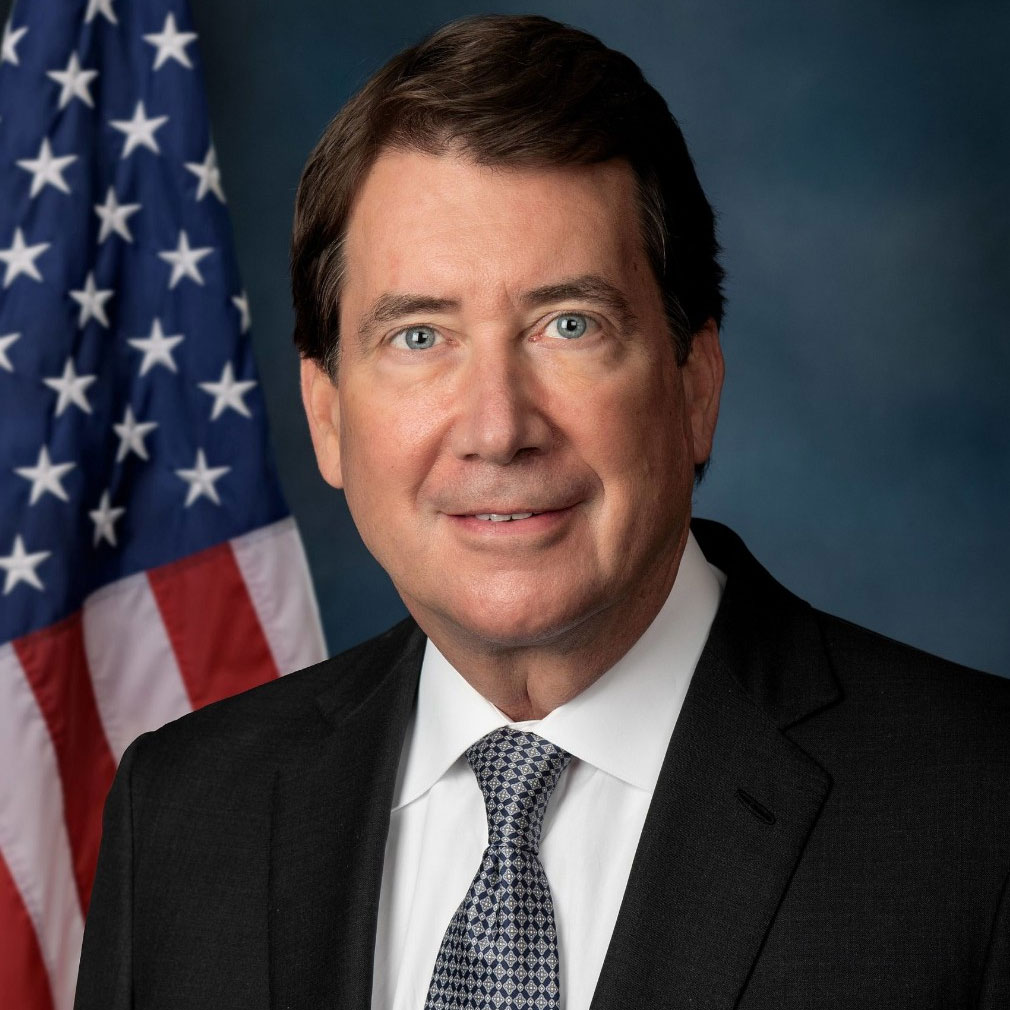
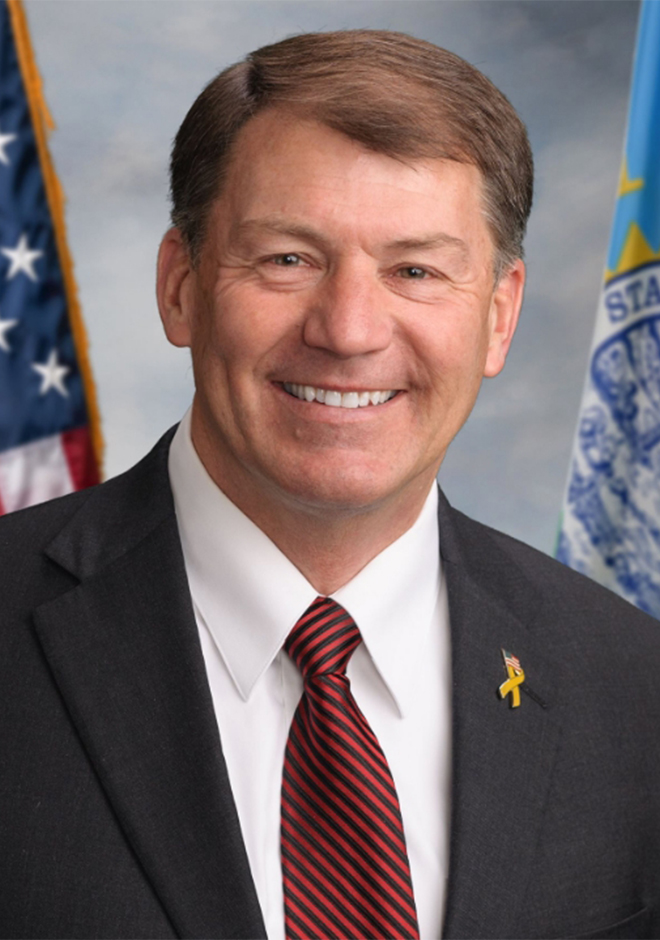
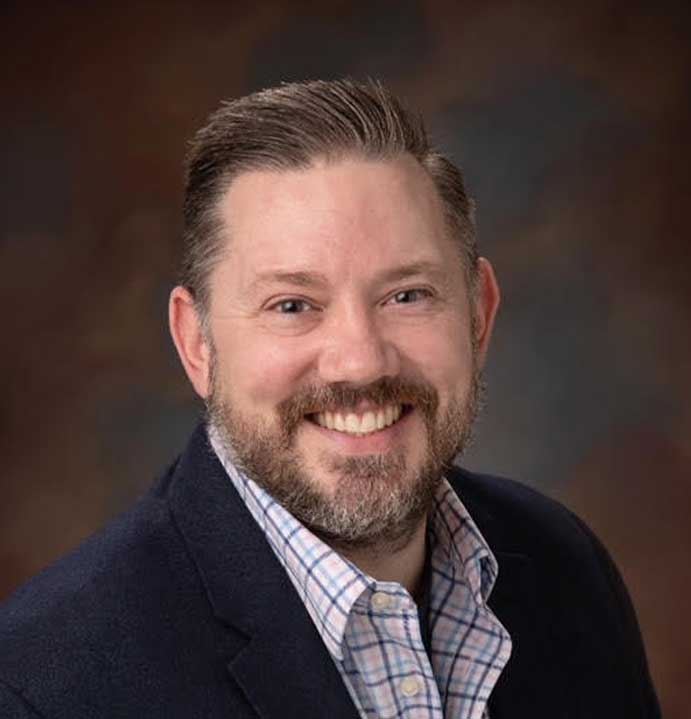
This session recaps the key themes and takeaways from the political landscape surrounding the GENIUS Act and its implications for payment stablecoins. Attendees will hear directly from the bill’s key architects and legal drafters — including Senator Bill Hagerty (R-TN), Senator Mike Rounds (R-SD), and Chris Land, General Counsel to Senator Cynthia Lummis (R-WY) — as they reflect on the legislation’s intent, critical regulatory considerations, and what the path to enactment means for banks, fintechs, and the broader payments ecosystem.

Senator Bill Hagerty Senator Bill Hagerty
Senator Mike Rounds Senator Mike Rounds
Chris Land Chris Land
9:50 am - 10:20 am

The CLARITY Act: Political Review

Coming soon!

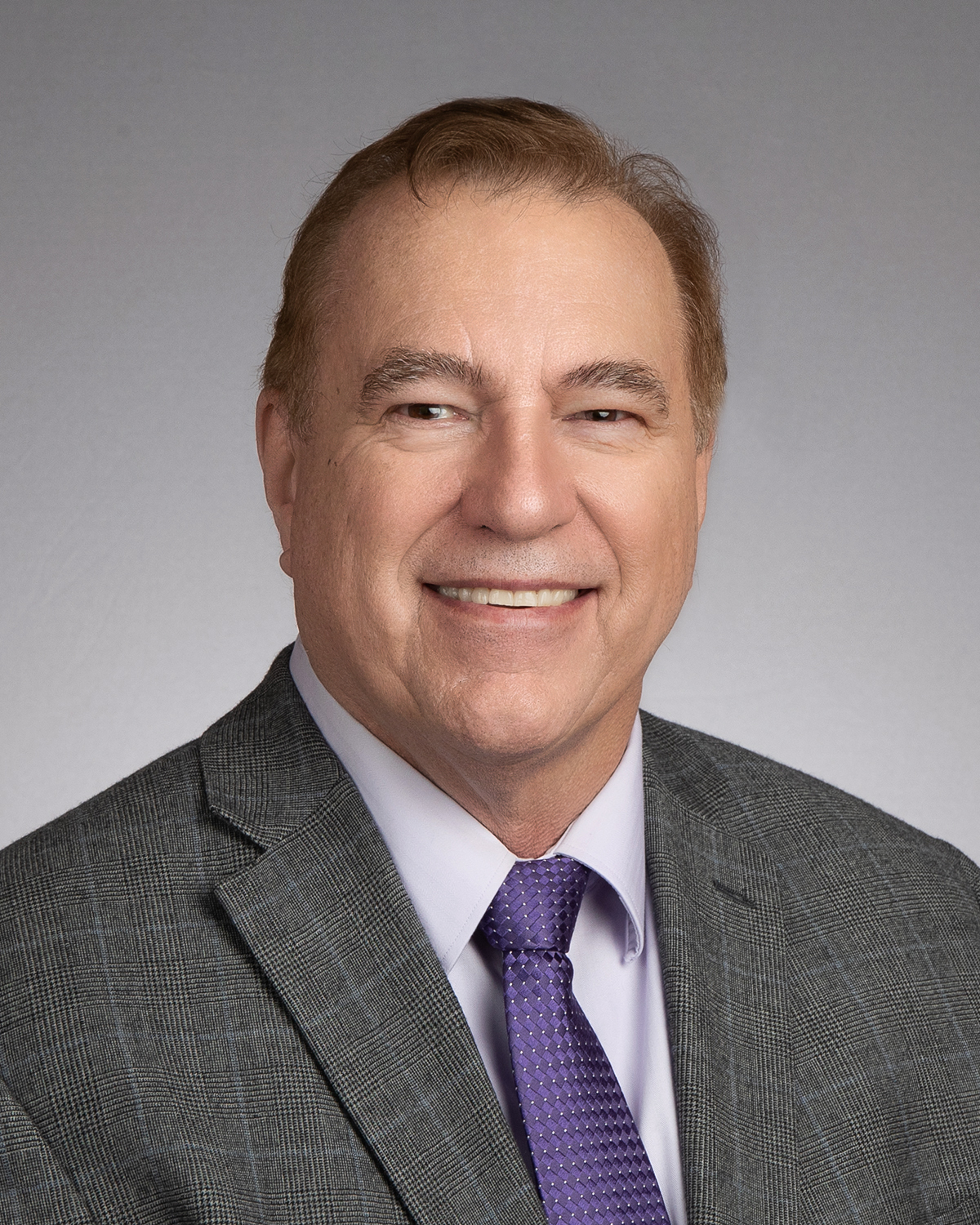
Greg Gelzinis Greg Gelzinis
10:25 am - 11:05 am

The Clarity Act: Overview and Analysis

This session provides an expert analysis of the Digital Asset Market CLARITY Act of 2025 (H.R. 3633), detailing how the legislation establishes a federal framework for digital asset classification, allocates jurisdiction between the SEC and CFTC, and sets registration, disclosure, custody, and market integrity standards for digital commodity exchanges, brokers, and dealers. Drawing on bill text and leading legal commentary, the discussion will examine digital commodities, ancillary assets, and payment stablecoins, alongside enhanced investor protection, AML/CFT, segregation, and insolvency safeguards. The session will also explore systemic implications, including stablecoin impacts on bank liquidity and deposit strategies, and demonstrate how the Act’s clarity enables financial institutions to operationalize tokenization, trading, custody, and payment innovation within a well-defined regulatory perimeter. Attendees will gain a comprehensive view of how enactment would transition U.S. oversight from enforcement-driven ambiguity to a structured market regime, transforming compliance architecture, competitive dynamics, and institutional participation across the digital asset ecosystem.

Matthew Bowen Matthew Bowen
11:10 am - 12:00 pm

Stablecoin: The How and The Why

The session provides a historical overview of stablecoins and digital assets. Dr. Upton has extensive hands-on experience in the field, including running a bitcoin mining operation. As a PhD, he is well-versed in the history, current state, and likely future applications of stablecoins and digital assets.

Dr. Bruce Upton Dr. Bruce Upton
12:20 pm - 1:00 pm

Retail & Merchant Adoption: Making Stablecoins Sticky in Everyday Banking

The economics of retail payments are undergoing a fundamental reset. For decades, merchants and consumers have been locked into card networks that impose 3–5% merchant processing fees, delayed settlement, and limited transparency. That model is breaking. This session explores how bank-issued and bank-integrated stablecoins can be embedded directly into point-of-sale (POS) systems—both in-store and online—to deliver instant settlement, materially lower transaction costs, and programmable payment flows.

Carlo D’Angelo Carlo D’Angelo
1:00 pm - 1:30 pm

Panel

Dr. Kevin Streff Dr. Kevin Streff
Matthew Bowen Matthew Bowen
Carlo D’Angelo Carlo D’Angelo
Dr. Bruce Upton Dr. Bruce Upton
9:00 am - 9:50 am

Keynote: How Banks Can “Press the Easy Button” for Tokenized Deposits and Stablecoins

This session explains why community banks might get the last laugh in the tokenized deposits and stablecoins arena, as the two parties behind the first issuance of tokenized deposits by a U.S. bank explain how banks can offer this technology to their customers in a manner that is likely accretive in year 1, is turnkey and requires very low technology integration lift, and solves real-world customer problems.

Caitlin Long Caitlin Long
Shawn Main Shawn Main
9:55 am - 10:45 am

Stablecoin Use Cases in Lending: Liquidity, Controls, and Risk Considerations

As banks evaluate stablecoins beyond payments, bitcoin-collateralized lending has emerged as a use case with direct balance-sheet and risk implications. This session examines how different stablecoin structures impact liquidity, settlement, and collateral management within lending arrangements. The discussion focuses on operational and risk frameworks banks must consider, including collateral control, valuation, margin processes, and liquidation mechanics. Attendees will gain insight into how liquidity fragmentation across stablecoin types affects lending design, why underlying market depth matters, and what considerations institutions should evaluate as they move from concept to implementation.

Rosa Shores Rosa Shores
10:50 am - 11:40 am

Due Diligence on Stablecoin Partners

With the GENIUS Act now law and payment stablecoins entering banking operations, regulators expect institutions to apply the same vendor oversight rigor to stablecoin partners that they apply to any critical third party. This 60-minute session provides a practical, regulator-aligned framework for conducting due diligence on stablecoin service providers — from issuers and custodians to blockchain infrastructure providers and on-chain analytics firms. Built around the five-stage Interagency TPRM lifecycle, the presentation walks attendees through planning, due diligence, contract negotiation, ongoing monitoring, and termination with stablecoin-specific overlays at every stage. No prior blockchain expertise is required. The core thesis is straightforward: stablecoin risk is familiar risk in a new wrapper, and the framework your institution already uses is the right starting point. Every attendee will receive a companion due diligence toolkit containing five standalone documents available for download and ready for immediate institutional use. - Due Diligence Checklist - provides over 145 items across 26 risk categories, organized by lifecycle stage and partner type, with acceptance criteria and regulatory rationale for each. - Risk Quantification Scorecard - is an interactive worksheet for scoring inherent risk, control effectiveness, and residual risk with auto-generated board reporting narratives. - Examiner Narrative Templates - offer five fill-in-the-blank documents covering risk appetite statements, lifecycle compliance memos, stablecoin-specific risk evaluations, GENIUS Act alignment, and ongoing monitoring summaries. - Board Reporting Template - provides a quarterly dashboard format with risk indicators, monitoring checklists, remediation tracking, and attestation sign-off. - Executive Summary Handout - distills the entire framework into a two-page reference for senior leadership, covering what banks must do, what examiners will expect, and what differentiates stablecoin due diligence from traditional vendor oversight.

Scott Grow Scott Grow
11:45 am - 12:35 pm

Integrating DAOs and DUNAs with Stablecoin Ecosystems

This presentation examines how decentralized organizations interact with stablecoin ecosystems and the synergies between organizational and payment infrastructure innovation. The connection is natural: DAOs need stable value to operate effectively, while stablecoin protocols need governance structures to manage their evolution. Stablecoins have become the bedrock of DAO treasury management. The increasing use of the internet http protocol x402 for payment rails bolsters such networks. We will review the technical operation of x402 and analyze its interaction with money transmission, consumer protection, sanctions compliance, and tax regulations. The combination of DAO and DUNA organizational structures, x402 payment rails, and regulated stablecoins creates potential for community-governed payment networks.

James Holbein James Holbein
12:40 pm - 1:30 pm

Blockchain Infrastructure for Real-World Asset Tokenization

This session examines operational blockchain infrastructure enabling compliant issuance and secondary trading of real-world assets (RWAs). We will cover architectures that bind identity, compliance, and settlement into a single transaction workflow using biometrics, AI-driven fraud mitigation, and regulated trading venues. The discussion focuses on practical deployment inside financial institutions — including how tokenization improves liquidity, reduces reconciliation overhead, and automates lifecycle events — while remaining compatible with existing regulatory and banking frameworks.

Eric Choi Eric Choi
9:00 am - 9:50 am

Keynote: Stablecoins in 2026: How Today’s Building Blocks Create Tomorrow’s Systemic Risk (And What To Do About It)

Two corporate issuers control roughly 85% of the total $300+ billion stablecoin supply today. The largest banks are building proprietary settlement networks closed to smaller institutions. Big Tech platforms are systematically capturing the customer relationship layer that banks once owned. The GENIUS Act may have opened the door for community bank participation, but the stablecoin landscape is consolidating at scale faster than participants recognize. This keynote examines how the latest monetary tectonic shift is shaping capital flows and control, applying the context of financial crisis history to diagnose systemic risks emerging from the current trajectory. It also explores the solution at hand: stablecoin infrastructure that is decentrally governed at every level.

Arthur Breitman Arthur Breitman
9:50 am - 10:45 am

Digital Assets in Banking: Understanding the Key Technology Required

Bringing digital assets into banking requires confronting new technologies and processes that many banks are unfamiliar with. In this session, we will dive into the foundational technologies involved with digital assets and walk through how to integrate these into existing banking platforms, including banking cores, digital banking and compliance tooling. You will walk away from this session with a clear understanding of the important technology pieces in a digital asset offering and how they fit together.

Alex Treece Alex Treece
10:50 am - 11:20 am

Risk Management in Emerging Technology

Explore stablecoins and digital assets through a bank risk and regulatory lens. This session examines the evolving U.S. framework, including the GENIUS Act, CLARITY Act (proposed), and recent supervisory guidance, and translates regulatory expectations into actionable risk management practices. Attendees will explore governance models, control design, third-party oversight, liquidity and reserve considerations, operational resilience, and compliance integration. The focus is on building defensible, exam-ready programs that enable disciplined innovation while protecting balance sheets, customers, and institutional reputation.

Dana Lawrence, CIA, CRMA, CFSA, CAMS, CRVPM, CCA Dana Lawrence, CIA, CRMA, CFSA, CAMS, CRVPM, CCA
11:25 am - 12:15 pm

Financial Legos for Banks — The Institutional DeFi Stack

Stablecoins have crossed the $280 billion threshold, yet institutional adoption remains in its earliest innings. This session cuts through the noise — separating real-economy payment volumes from inflated headline figures — and maps the strategic roles banks can claim in the emerging on-chain money ecosystem. From deposit tokens and reserve management to programmable treasury operations and institutional DeFi, attendees will leave with a clear-eyed view of the opportunity landscape, the global regulatory mosaic taking shape under the GENIUS Act and CLARITY Act, and a practical framework for moving from board-level conversation to execution.

Matthew Bowen Matthew Bowen
12:20 pm - 1:10 pm

Panel: To Stablecoin or Not to Stablecoin: Use Cases and Concerns

Klaros Group Participants: Roman Goldstein, Senior Director, Doug Landy, Partner, Seth Ross, Partner, Sepideh Rowland, Partner, Valerie Song, Senior Director (moderator) After years as a theoretical possibility, stablecoins are looking very real. But the fact that banks are likely to be able to implement them doesn’t mean they should. In this session, leaders from Klaros Group - widely recognized as the premier advisory team for financial innovators and recently featured in Bloomberg as THE team to call about a bank charter - will take you through the why and how of developing a stablecoin program, including how to build a business use case for it and risk management concerns to consider.

Roman Goldstein Roman Goldstein
Douglas Landy Douglas Landy
Sepideh Rowland Sepideh Rowland
Seth Ross Seth Ross
1:10 pm - 1:20 pm

Closing and Next Steps

  • Date : March 24, 2026 - March 26, 2026
  • Time : 9:00 am - 1:20 pm (America/Chicago)
  • Venue : Online

Related Events

Scroll to Top